


Eating Disorder Awareness Week: Relapse Prevention, Nervous System Regulation, and Learning Healthy Habits After Binge Eating Disorder
Binge Eating Disorder Recovery

During Eating Disorder Awareness Week, we talk about symptoms, statistics, and support lines.
But today, I want to talk about the parts people don’t see.
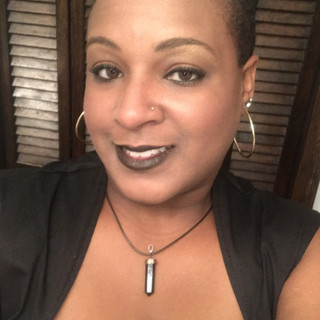
The therapist who was secretly struggling.The Black woman who didn’t “look” like she had an eating disorder.The high-functioning professional with the doctoral degree who was unraveling in private. Yeah, that was me.
I’m 10 years in full remission from binge eating disorder. But recovery wasn’t just about food.
It was about trauma, anxiety, stress, and learning healthy habits that didn’t involve escaping my life.
This article is about relapse prevention. Nervous system regulation. Trauma roots. And how you actually rebuild your life when binge eating disorder has been your coping strategy.
If you’re walking this path, I need you to hear me clearly:
Do not define eating disorders by appearance. I didn’t fit the stereotype. And I was still drowning.
Binge Eating Disorder Recovery: It’s More Complex Than It Looks
Binge eating disorder recovery is not just “stop overeating.”
It’s understanding:
Why food became your regulator
How anxiety fuels episodes
How trauma wires your nervous system
How stress overload leads to self-soothing
Around 65% of individuals with binge eating disorder also experience an anxiety disorder, just like I did. That overlap is real. I was living proof.
Organizations like the National Eating Disorders Association consistently report high comorbidity between anxiety disorders and binge eating disorder. When I was diagnosed, I was working as a therapist.
Let that sink in.
I was trained. Educated. Helping other people regulate their emotions.
And I was going home and binge eating in times of stress and burnout.
That’s how complex this disorder is.
Anxiety and Binge Eating Disorder: The Double Battle
My anxiety disorder wasn’t separate from my binge eating disorder. They fed each other.
Anxiety would spike:
Stress at work
Emotional overload
Fear of failure
Fear of abandonment
Food became relief. Temporary sedation. A quieting.
Then came shame.
Then anxiety about the binge.
Then another binge.
It was a loop.
If you’re dealing with anxiety and binge eating disorder at the same time, you’re not weak.
Your nervous system is overloaded.
The goal isn’t to eliminate stress. It’s about strengthening our ability to copeand creating
the space for healing.
Don’t Define Eating Disorders by Appearance
I was not underweight.
I was not visibly “sick.”
I was polished. Professional. A Black woman in leadership.
Eating disorders in Black women are often overlooked because we’re not centered in the narrative. There’s an assumption that if you’re not visibly emaciated, you’re fine.
I wasn’t fine.
I was exhausted from managing everyone else’s emotions while neglecting my own.
Eating disorders do not have a uniform look. They are defined by behaviors, distress, and psychological patterns — not body size.
Let me tell you what my evenings looked like.
Long day of sessions. Holding space. Managing crises. Performing competence.
Then I’d get home.
Silence. Fatigue. Emotional backlog.
Instead of processing, I’d numb.
I’d tell myself:“I deserve this.”“I’ll start over tomorrow.”“This is the last time.”
Food was not about hunger. It was escape.
When you use food to regulate stress, it becomes the fastest relief in the room.
But relief is not the same as healing.
Long-Distance Marriage and Emotional Isolation
I was also navigating a long-distance marriage as a trucker wife.
Weeks alone. Conversations through screens. Missing physical presence. Carrying life logistics solo.
Add a history of abandonment and childhood emotional neglect (CEN), and that distance hit deeper.
When you grow up not fully seen emotionally, separation feels amplified.
Instead of saying:“I’m lonely.”“I’m overwhelmed.”“I’m scared this won’t work.”
I ate.
Food doesn’t leave. Food doesn’t argue. Food doesn’t disappoint.
Until it does.
Trauma Roots: Abandonment and Childhood Emotional Neglect
Binge eating disorder didn’t start in adulthood. It started in unmet needs.
Childhood emotional neglect teaches you:
Your emotions are inconvenient
Your needs are excessive
Self-soothing must be self-managed
So you adapt.
High-achieve.Over-function.Suppress.
But suppressed emotion doesn’t disappear. It stores in the body.
For me, food became the bridge between what I felt and what I couldn’t say.
Recovery required learning emotional literacy in my 30s.
Naming emotions.Feeling them.Not running.
That was harder than any meal plan.
Nervous System Regulation: The Turning Point
Relapse prevention for binge eating disorder begins with nervous system work.
When I learned that my body was in chronic fight-or-flight, everything shifted.
My system was:
Overstimulated
Hypervigilant
Perfectionistic
Afraid to rest
Binge eating wasn’t random. It was a nervous system crash after prolonged activation.
So I changed my habits.
Not dramatically. Consistently.
What I Implemented:
1. Structured MealsThree meals. Two snacks. No skipping. Predictability reduces chaos.
2. Emotional Check-InsBefore eating, I’d ask:What am I feeling right now?
3. Stress Decompression RitualAfter work, I no longer went straight to the kitchen. I walked. Showered. Journaled.
4. Boundaries at WorkI stopped carrying client crises into my home mentally.
5. Therapy for MyselfTherapists need therapists.
Regulation is preventative medicine for relapse.
Learning Healthy Habits During Eating Disorder Awareness Week
If you’re reading this during Eating Disorder Awareness Week, start simple.
Healthy habits during recovery are not aesthetic. They are stabilizing.
Here’s what actually builds momentum:
Eat within one hour of waking
Don’t skip meals after a binge
Identify top three stress triggers
Replace one food-based coping strategy with a non-food ritual
Track emotions, not calories
Relapse prevention is built on awareness, not perfection.
You will have hard days. That does not erase progress.
The Day I Chose Recovery Over Image
Being diagnosed while working as a therapist shook my identity.
How could I guide others while privately struggling?
But here’s what I learned:
Recovery is not about image management. It’s about integrity.
I chose to get help. Quietly at first. Then openly.
And that decision reshaped my life.
Ten years later, I no longer use food to escape stress. I no longer spiral after anxiety spikes.
I don’t panic when life feels uncertain.
That’s not luck. That’s nervous system training.
How to Support Someone With an Eating Disorder During Recovery
If you’re supporting someone:
Don’t monitor their plate
Don’t comment on weight changes
Encourage therapy
Be patient with emotional volatility
Learn about eating disorder recovery resources
The National Eating Disorders Association offers screening tools and referrals.
Beat provides UK-based support services.
Recovery requires community.
Relapse Prevention for Binge Eating Disorder
Here’s what keeps me steady 10 years later:
Structured eating remains non-negotiable
I address stress early
I don’t isolate during anxiety spikes
I rest before burnout
I stay honest
Relapse prevention isn’t fear-based. It’s proactive.
If I notice urges increasing, I ask:What is unprocessed right now?
That question has saved me more than once.
Starting Your Path of Recovery
If you’re overwhelmed, shrink the timeline.
Today:
Eat breakfast.
Text one safe person.
Identify one emotion you’ve been avoiding.
That’s it.
Recovery is layered. Complex. Emotional. But it is possible.
I am a Black woman. I was a practicing therapist when I was diagnosed. I battled binge eating disorder and anxiety at the same time. I carried work stress, marriage strain, and trauma history into my body.
And I healed.
Not because I was special.
Because I got honest.
During Eating Disorder Awareness Week, let this be your permission slip:
You don’t have to look sick to deserve help.You don’t have to feel ready to begin.You don’t have to carry this alone.
Ten years ago, I was hiding in plain sight.Today, I live regulated.That’s the difference.
If you’re ready, take one step.
Freedom starts there, but let me tell you…Freedom wasn’t dramatic.It was structured.It was honest.It was daily.
If You’re Overwhelmed, Start Here
Join Gutty Girl Letters.
If this article stirred something in you — don’t let that moment pass.
Healing from binge eating disorder and codependency isn’t built on hype. It’s built on steady support, honest conversations, and tools you can actually use on hard days.
That’s why I created Gutty Girl Letters on Substack.
Inside, you’ll get:
Real stories from my 10 years in full remission
Trauma-informed recovery tools that calm overwhelm
Structured nutrition guidance without shame
Nervous system regulation practices that stop spirals
Boundaries, abandonment healing, and emotional sobriety
No fluff. No toxic positivity. No “just love yourself” advice.
Just grounded, lived experience and clear steps you can apply immediately.
If you’re tired of struggling silently…If you’re waiting to feel ready…If you want support that feels safe and honest…
Come join us.
Subscribe to Gutty Girl Letters on Substack and take your next step toward recovery today.
Your courage doesn’t have to be loud.It just has to be real.
Subscribe to my newsletter here.
ARE YOU LOOKING TO DIVE DEEPER INTO SELF-CARE?
I Can Help in Developing A Plan For Self Care
Do you want help developing a self-care plan that works for your own busy schedule? Do you want accountability in implementing a self-care plan? If you or someone you love is struggling to maintain optimal mental and emotional health, consider reaching out to Spiced Life Conversation Art Wellness Studio and Botanica. We are a Metro Atlanta, Conyers Georgia area. We are a coaching and counseling practice with empathetic, skilled counselors and recovery coaches who can help you set goals, develop a self-care routine, and move forward to build a more fulfilling life. Our team would be happy to work with you either just for a couple of sessions to develop and implement a Self-care plan or longer term to work toward overall better mental health within our membership site or other programs.

About The Author: Dr. Nikki LeToya White MSEd-TL, Ph.D. RHN is the founder, director, and full-time board-certified trauma-informed nutritionist, folk herbalist, and wellness consultant at Spiced Life Conversation Art Wellness Studio and Botanica. She created Spiced Life Conversation, LLC Art Wellness Studio, and Botanica to provide the Metro Atlanta area with counseling and coaching services where clients are carefully matched with the right program for healing abandonment and childhood emotional neglect trauma that cause codependency, emotional eating, financial stress, and imposter syndrome as it relates to the fear of success and being abandon. We help you begin your emotional healing journey with ease. Recently, we have expanded to include an online membership site so we now provide support to people living all over the world. All of our recovery coaches provide at least one evidence-based treatment to assist in your recovery. Dr. White is a big proponent of self-care and helping people live a fulfilling life! She has been in full remission with both codependency and emotional binge eating disorder since 2016. In living a life in recovery from sugar addiction. I love my low-sugar balanced lifestyle.
Best Regards
Dr. Nikki LeToya White


Comments